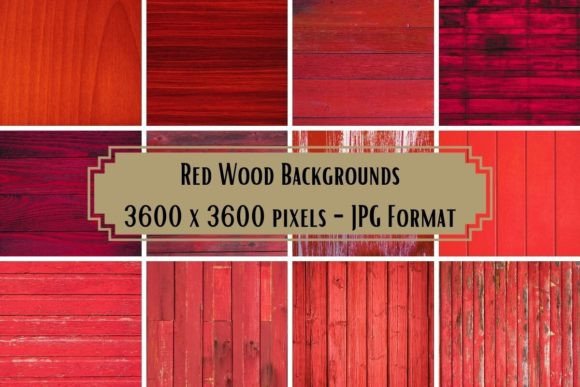
Black Wood Backgrounds: A Designer's Dark Canvas
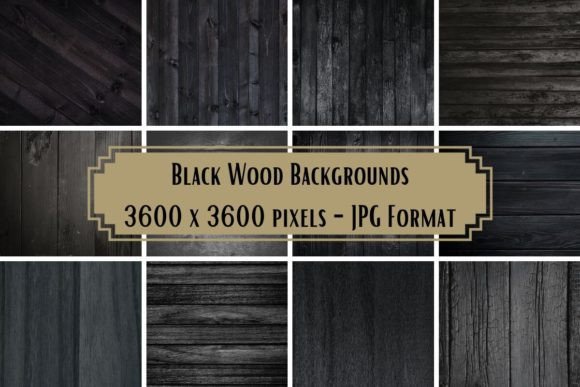
There's a reason so many of us are drawn to textures that feel real, tangible, and rich with history. In a digital world that can often feel flat and uniform, materials like wood offer a sense of warmth, authenticity, and groundedness. A Black Wood Background takes this a step further. It’s not just a surface; it's a statement. It provides the organic beauty of natural grain and knots but with the sophistication and drama of a deep, dark palette. This particular set of 12 digital papers captures that essence perfectly, offering a versatile foundation for a multitude of creative projects.
The Personality and Appeal of a Dark Wood Texture
What makes a Black Wood Background so compelling? Its personality is a fascinating blend of contrasts. It feels both rustic and luxurious, industrial and organic. The subtle variations in the grain, the occasional knot, and the play of light and shadow across the surface prevent it from being a simple, flat black. Instead, it has depth and character. This visual texture immediately elevates a design, suggesting quality and a thoughtful, curated aesthetic. It’s a background that doesn't just support your content; it actively enhances it by providing a rich, tactile context.
This style of background is a powerful tool in a designer's kit. It acts as a perfect counterpoint to lighter, brighter elements. Think crisp white typography, vibrant product photography, or elegant metallic accents like gold or copper foil. The high contrast ensures that your foreground elements pop, creating a clear and compelling visual hierarchy. For projects in logo design or brand identity, a Black Wood Background can communicate strength, reliability, and a premium feel. It’s a fantastic choice for brands that want to appear established and sophisticated without being overly corporate.
Practical Applications for Every Creator
The true value of a versatile design asset like this lies in its adaptability. This set of 12 high-resolution JPGs, sized at 3600x3600 pixels, is built for both digital and print projects. The 300 dpi resolution ensures that your work will look sharp and professional, whether it’s on a screen or in your hands. Here’s where these Black Wood Backgrounds truly shine:
- Digital and Web Design: Use them for website hero sections to create an immediate, impactful first impression. They are also perfect for social media graphics, blog post headers, and online advertisements. As a background for an e-commerce site selling handcrafted goods, artisanal food, or luxury items, it sets a powerful, on-brand mood.
- Print and Packaging: Imagine a business card or an invitation printed on a textured paper that mimics this dark wood grain. It creates a memorable tactile experience. For packaging design, especially for products like coffee, whiskey, or men's grooming kits, this texture adds a layer of perceived value and craftsmanship.
- Marketing and Editorial: In editorial design, these backgrounds can be used for magazine covers, chapter openers, or pull-quote sections to add visual weight and sophistication. They are also excellent for creating compelling marketing materials like flyers, posters, and menu designs.
- Personal and Craft Projects: For the hobbyist, the possibilities are endless. These are ideal for digital scrapbooking, creating unique photo book layouts, designing custom greeting cards, or even as a background for digital planners. They provide a stylish, cohesive look to any personal project.
Integrating Black Wood into Your Brand and Design Workflow
Choosing the right background is a strategic decision that influences the entire feel of your project. A Black Wood Background communicates a specific message, so it’s crucial to ensure it aligns with your project’s goals. It’s an excellent fit for brands and creators who want to project an image of being modern, edgy, or deeply rooted in quality and tradition. For a blogger writing about interior design, men's fashion, or specialty coffee, it can become a signature element that builds brand recognition and consistency.
When working with such a strong texture, readability is paramount. The key is contrast. Pair it with a clean, legible sans serif font for body text to ensure it’s easy to read. For headlines, you could use a bold serif font or even a stylized script font for a touch of elegance, but always test it at the intended size to confirm clarity. The goal is to use the background to support your message, not overpower it. Think of it as the stage for your content. The performance—the text, the images, the call to action—needs to be the star.
A Few Final Considerations
Before you dive in, take a moment to consider the specifics. This set is delivered as a digital product with a commercial font license, meaning you are free to use it in projects you create for clients or for sale. This is a significant advantage for entrepreneurs and small business owners looking for high-quality, legally sound design assets.
- Evaluate the Fit: Does the dark, moody, and sophisticated tone of a black wood background match your brand's voice? For a bright, playful, and whimsical brand, it might create a disconnect. For a brand that values substance and style, it’s a perfect match.
- Test Your Pairings: Don't just guess. Place your logo, your text, and your key images on the background. Experiment with different color combinations. Does a bright accent color work better than a metallic one? Does a handwritten font feel authentic or out of place? Testing is the only way to know for sure.
- Use with Intention: Because it's a powerful texture, it can be tempting to overuse it. Consider using it for key elements like a homepage banner or a product feature image, and pair it with simpler, solid-color sections elsewhere to give the viewer's eye a rest. This creates a more balanced and professional layout.
Ultimately, a set like these 12 Black Wood Backgrounds is more than just a collection of images. It's a creative toolkit. It provides a foundation of quality and style that can help you build more compelling designs, tell stronger brand stories, and create projects that resonate with your audience on a deeper, more tactile level. It’s a small investment that can yield a significant return in visual impact and professionalism.